Engage
A behaviour-assessed companion dog helps lower the pressure and creates a reason to take the first step.
The Baxter Project helps children who may struggle with traditional support build trust, communicate safely and reconnect with learning alongside a carefully assessed companion dog.
This page is a short overview of The Baxter Project. For full delivery detail, referral information and evidence, visit our dedicated site.
One-to-one, animal-assisted early intervention
School-embedded, alongside existing pastoral and SEND provision — 100+ partner schools
Trauma-informed practice drawing on TRM, DNA-V, PACE and motivational interviewing (MI)
Refer a school or discuss delivery capacity
The Baxter Project creates a safe route into support for pupils facing trauma, anxiety, bereavement, neurodiversity, school avoidance and barriers to learning.
A behaviour-assessed companion dog helps lower the pressure and creates a reason to take the first step.
Skilled practitioners use relationship-led, trauma-informed work to understand what sits beneath behaviour.
One-to-one sessions build regulation, communication and achievable routes back into learning and relationships.
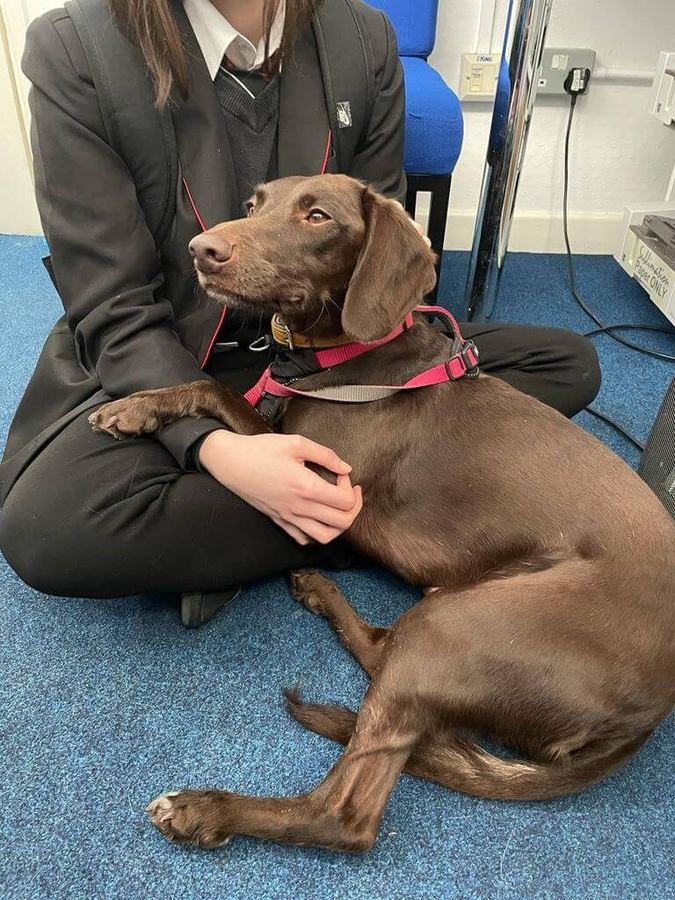
We work with children experiencing anxiety, adversity, bereavement, neurodiversity, school avoidance, exclusion risk, care experience, socio-economic disadvantage and wider social, emotional and mental health needs. Our approach is practical and relational — it helps children begin to trust, communicate, regulate and re-engage.
Grounded in the Trauma Recovery Model developed by Dr Tricia Skuse and Jonny Matthew, every session is built around the same progression — met with patience, skill and trust.
The companion dog gives children a non-judgemental presence to build safety and trust before anything else is asked of them.
Once safety is established, children begin to find language — verbal or otherwise — for what they are experiencing.
Practitioners support children to recognise and manage their emotional and physiological state in the moment.
With trust and regulation established, children are supported back into classroom life and peer relationships.
Delivery is grounded in the Trauma Recovery Model and informed by established research into trauma, relationships and recovery.
Practitioners work alongside existing pastoral and SEND provision, with clear consent, safeguarding and reporting arrangements.
Session records, wellbeing and resilience measures, attendance, engagement and practitioner observations support termly reporting and review.
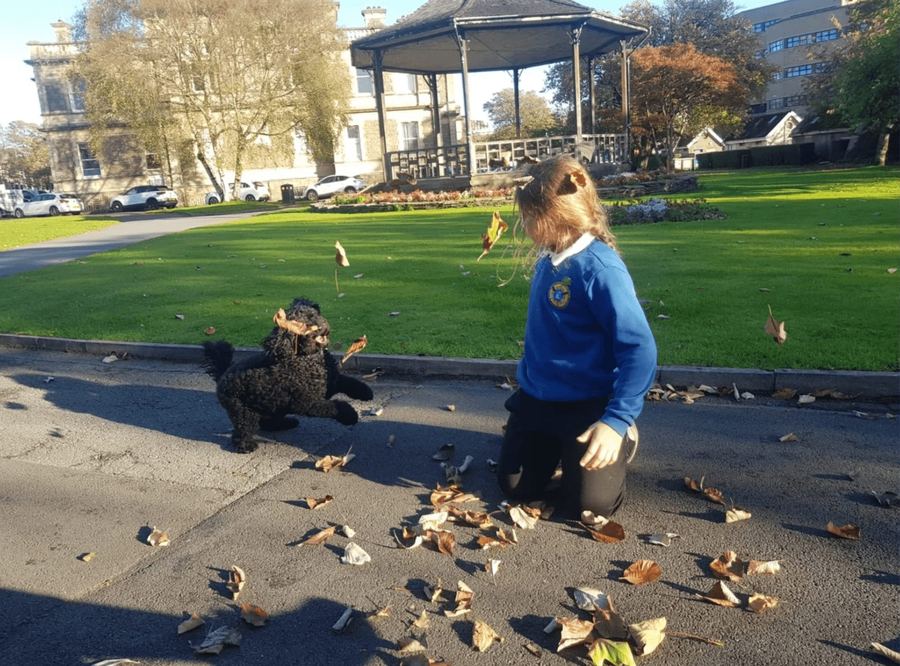
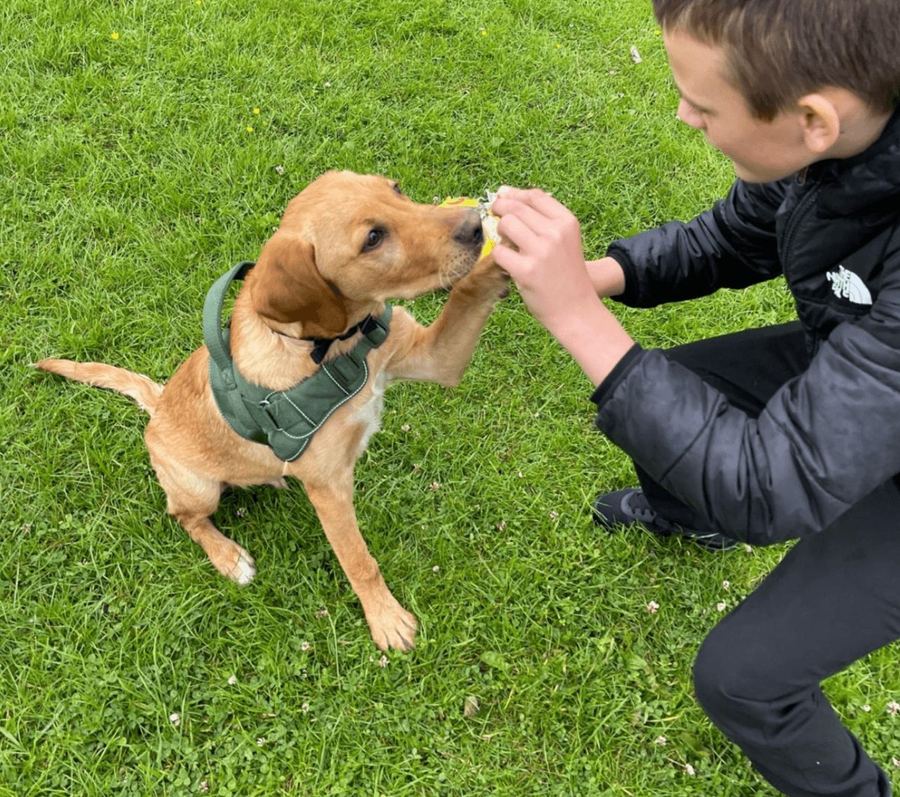
Sessions are usually one-to-one and often use an outdoor walk-and-talk format. The dog creates a lower-pressure route into engagement while the practitioner works toward agreed goals.
A typical session lasts around 45–60 minutes, shaped around the child, the setting and the agreed support plan.
Schools and families share relevant information before delivery begins. Participation is voluntary and arrangements are planned around allergies, phobias, cultural considerations and individual need.
Practitioners work within TAG safeguarding, supervision, consent, risk-assessment and safer-working procedures, including enhanced DBS checks where required for the role.
The school identifies pupils who may benefit, secures the appropriate consent and agrees priorities with TAG before sessions begin.
Progress is reviewed using structured measures, attendance and engagement information, practitioner records and feedback, with reporting through ODISSYS.
ODISSYS brings session evidence, safeguarding notes, validated wellbeing measures and termly reporting into one clear system.
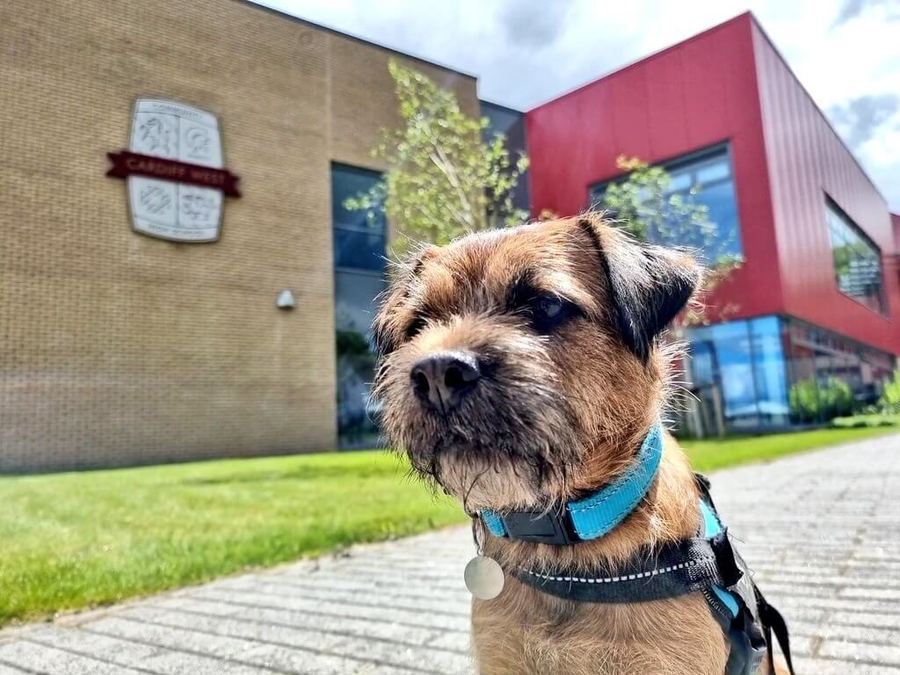
The service is place-based because schools are where need, relationships and early warning signs already sit. Sessions are deliberately informal — "walking a dog" — but underpinned by serious, evidence-informed practice. The relationship with the practitioner is the intervention; the dog creates the conditions for connection.
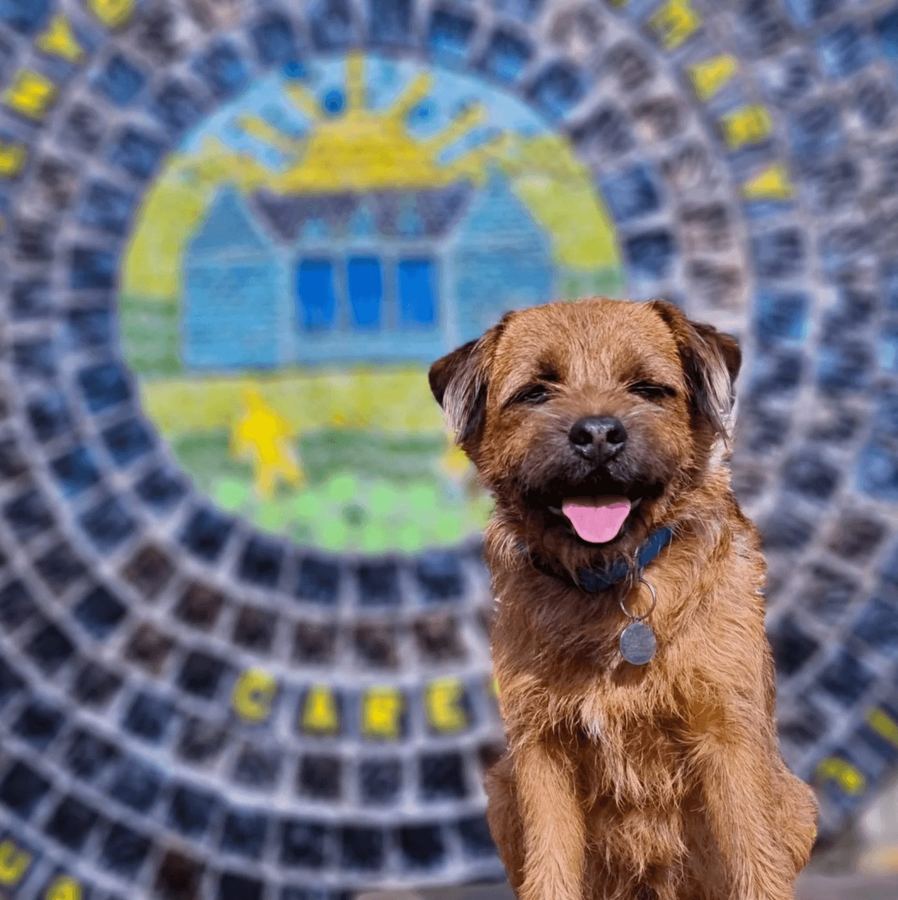
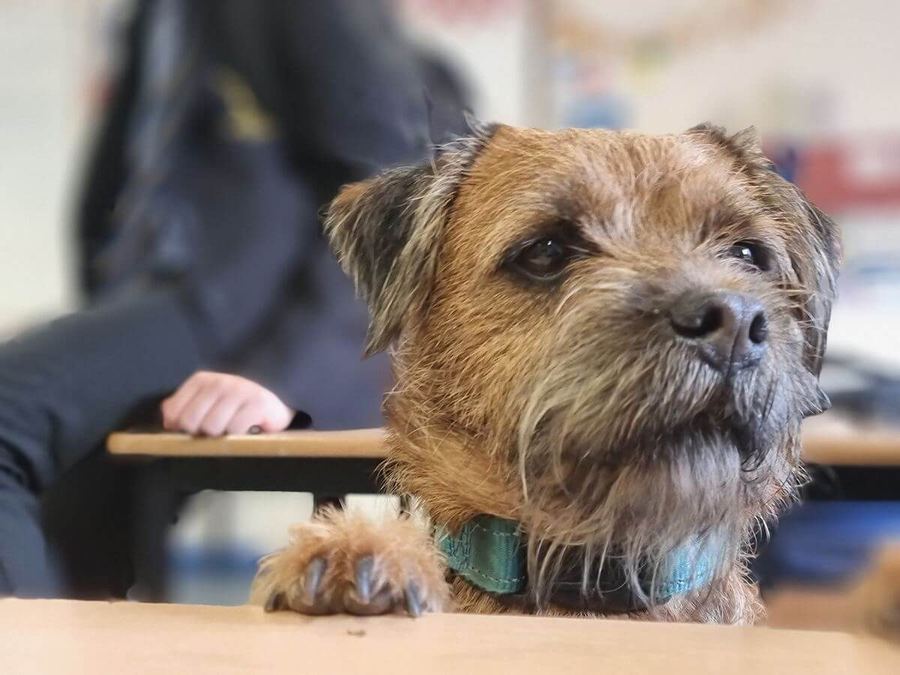
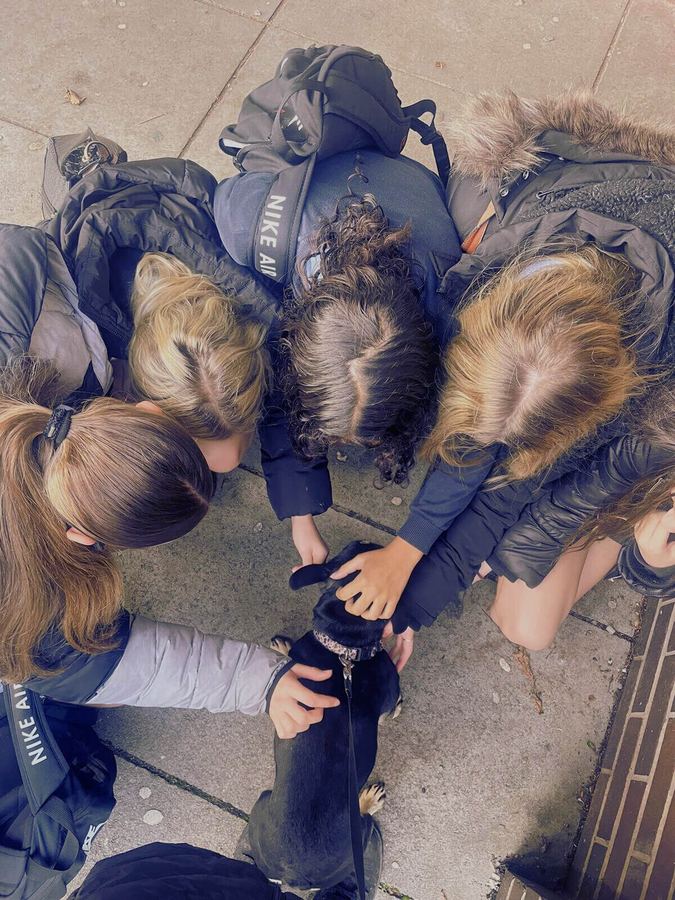
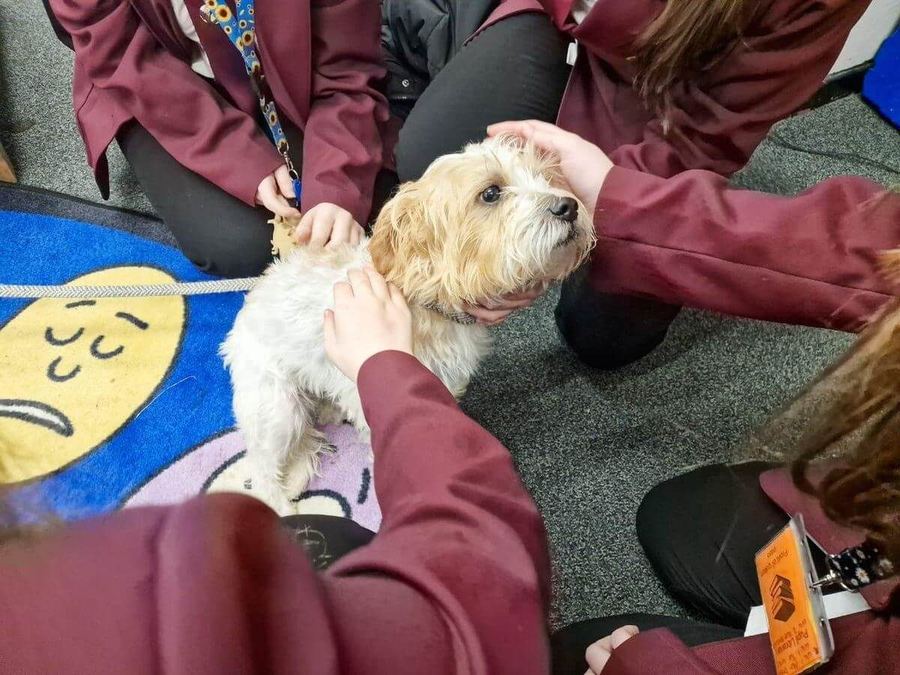
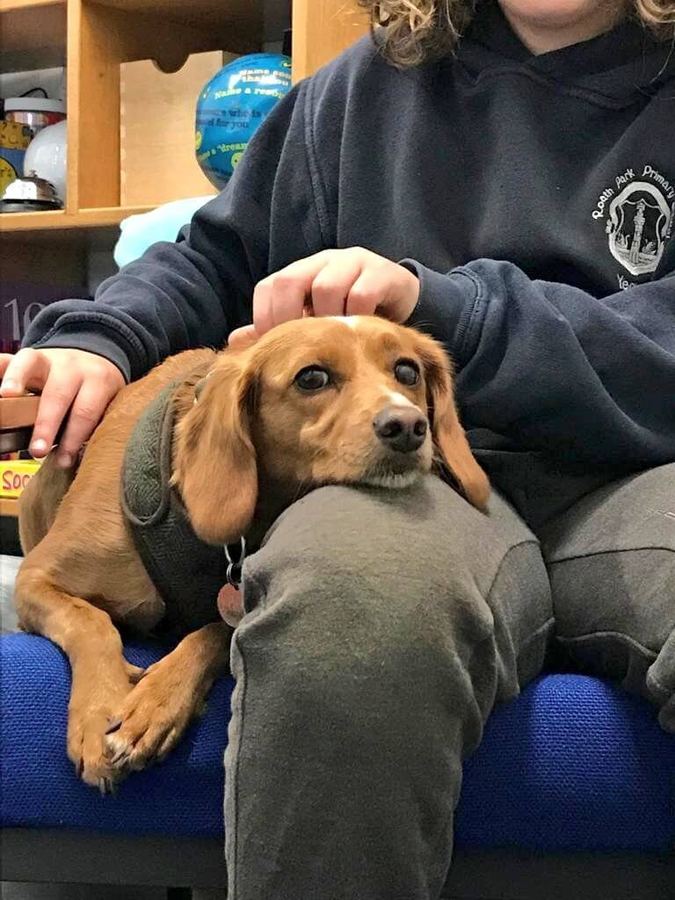
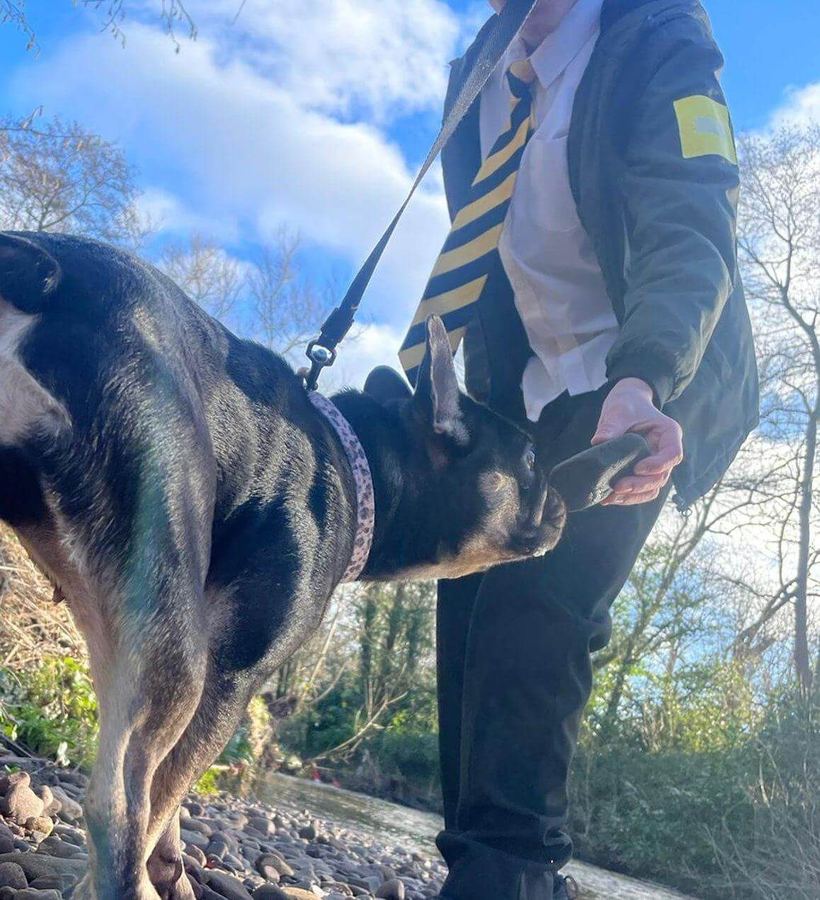
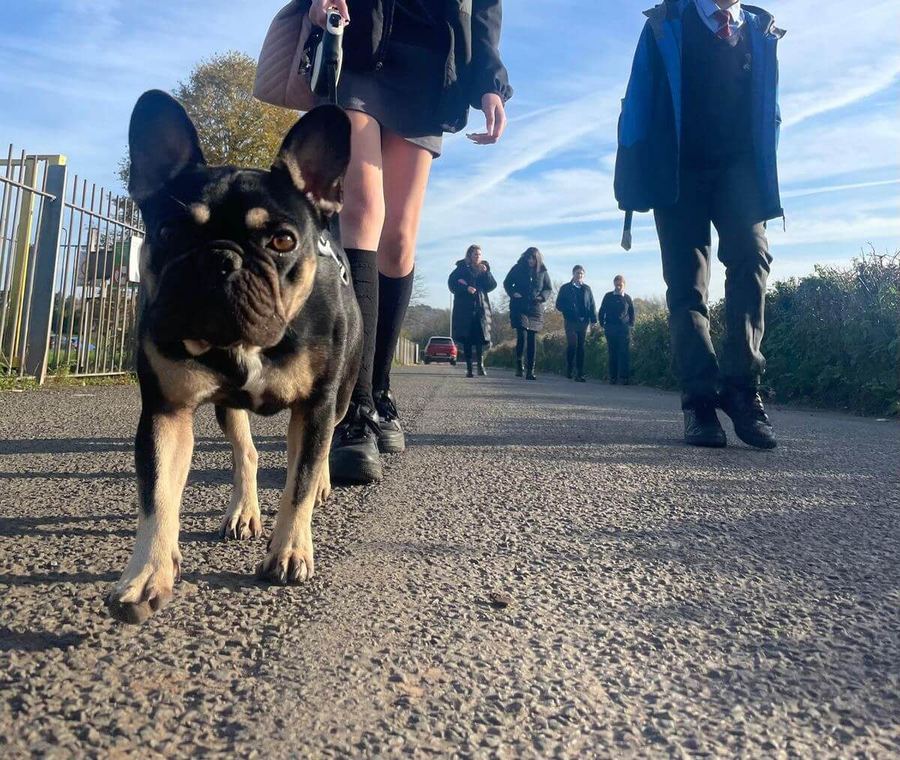
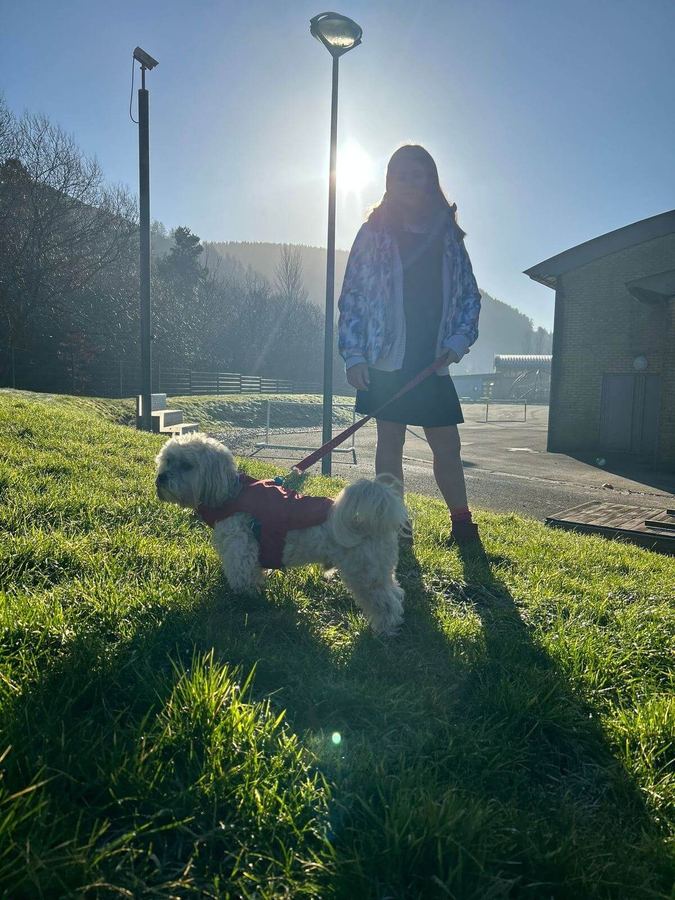
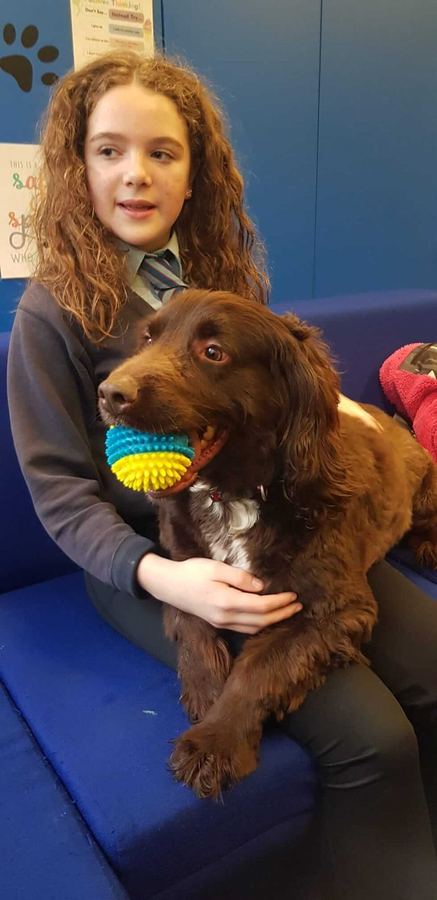
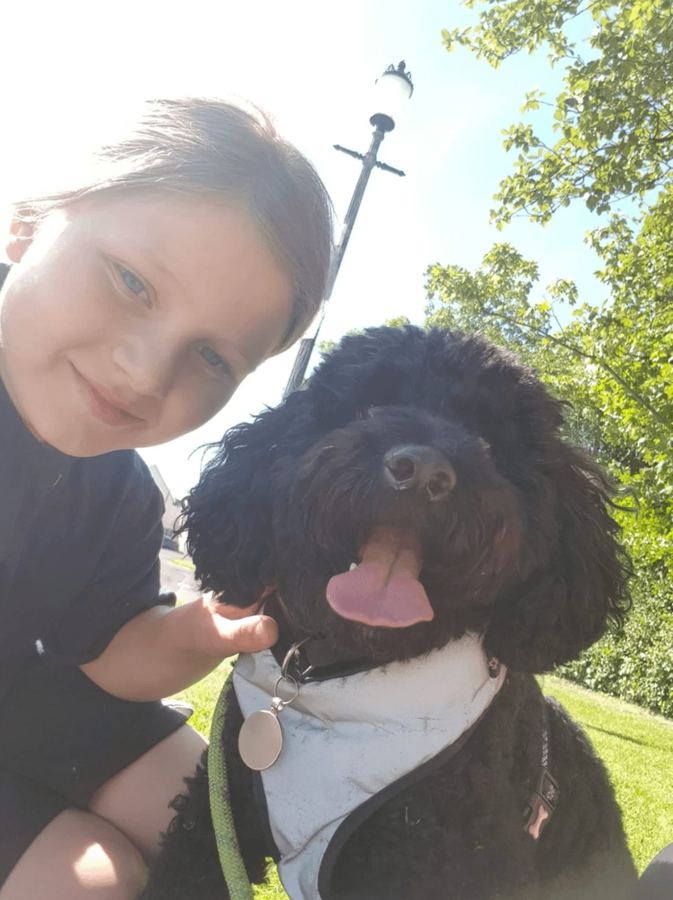
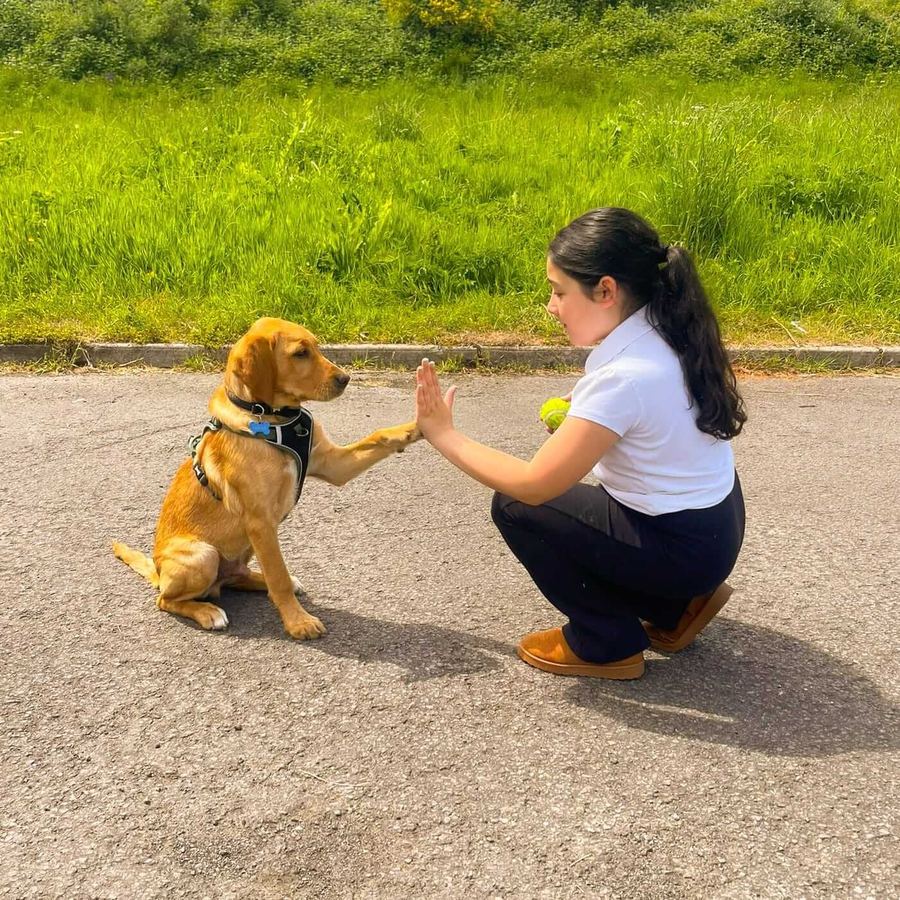
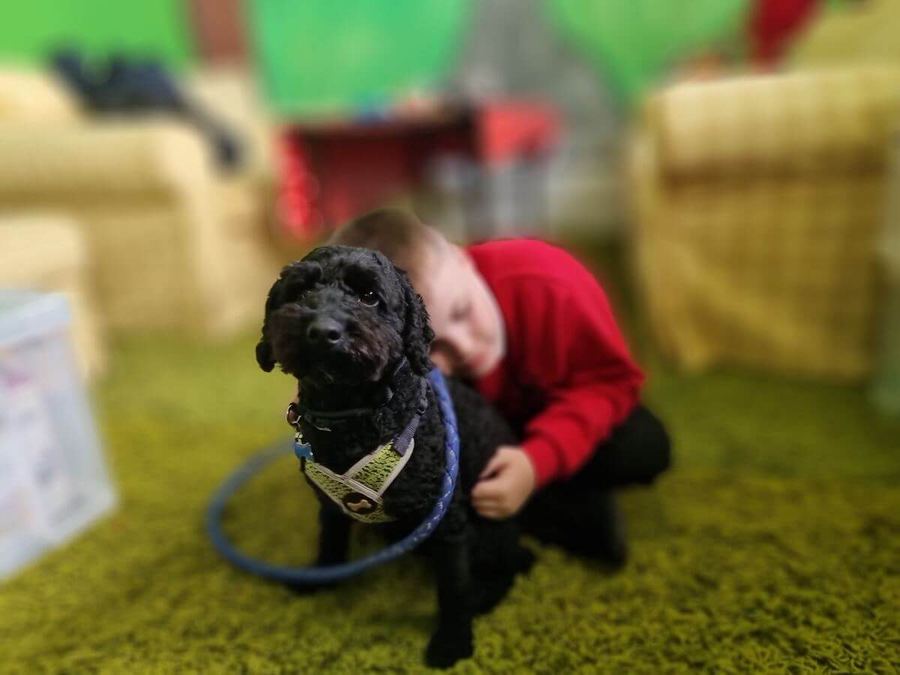
Read verified case studies ↗Photographed at partner schools including Cardiff West Community High School, Roath Park Primary and Bryn Celynnog Comprehensive — framed, as always, to protect pupils' privacy wherever possible.



Talk to TAG about referrals, delivery capacity, safeguarding and what a Baxter Project cohort could look like in your setting.